
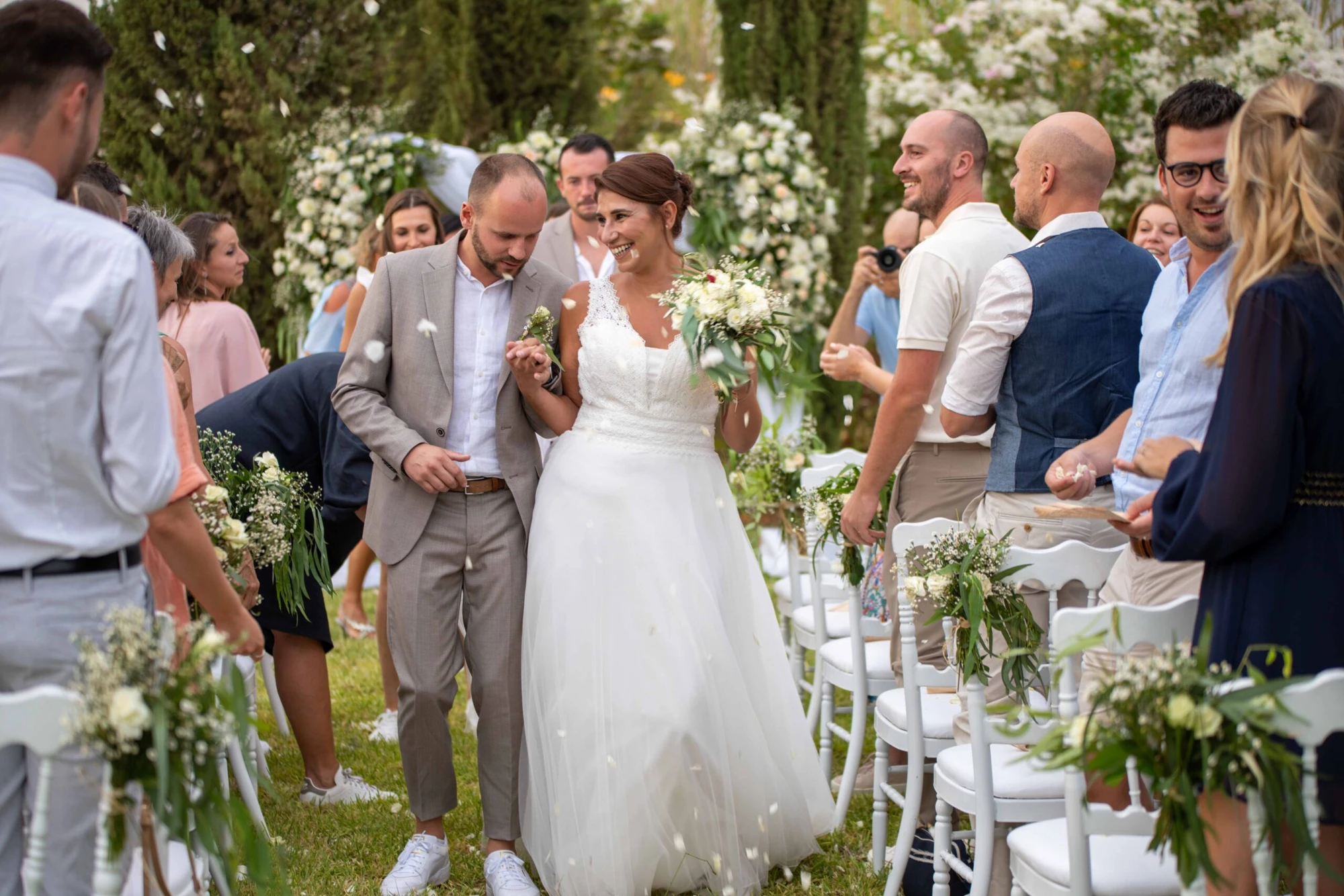
Build your photography timeline around the ceremony, travel and the moments you most want to remember. Give portraits a dedicated window, keep family combinations manageable and leave breathing room between locations. The sample below is a planning starting point, not a required schedule or a promise of coverage.
Start with the moments you cannot move
Your ceremony time is usually a better starting point than a list of photographs. Write down the ceremony, any cultural or religious events, dinner service and the time your venue needs you for the entrance. Then add the addresses for preparations, portraits and the reception. A day in one venue needs a different plan from a celebration that moves across the GTA.
Decide what you would regret missing. It might be a quiet moment with a parent, the first time you see each other, a particular ceremony tradition or the dance floor. Share those priorities before choosing the start and finish of coverage. A timeline should protect your experience, not turn the wedding into a continuous photo session.
First look or first meeting at the ceremony?
A first look means seeing each other privately before the ceremony. It can create time for couple and wedding-party portraits earlier in the day, leaving more of the cocktail reception available for guests. It is an option, not a requirement, and it should fit your preferences and traditions.
If you prefer to meet at the ceremony, put the main portrait session afterwards. Family photographs, wedding-party photographs and couple portraits all need space in that interval. Avoid treating the entire cocktail hour as available photography time if it also includes travel, refreshments and greeting guests.
A sample plan for a 4 p.m. ceremony
This example assumes preparations and the celebration are at one venue, with a first look before the ceremony. It does not represent a Younes Photography package or a fixed number of coverage hours. Adjust it with your photographer and coordinator.
| Time | Focus |
|---|---|
| 12:30 p.m. | Finishing preparations, chosen details and time with the people getting ready with you. |
| 2 p.m. | First look and couple portraits. |
| 2:45 p.m. | Wedding-party and selected family photographs. |
| 3:30 p.m. | A pause before the ceremony and photographs of arriving guests. |
| 4 p.m. | Ceremony, with its actual duration confirmed by your officiant. |
| After the ceremony | Congratulations, any remaining groups and candid guest moments. |
| Reception | Entrance, speeches, dinner and dancing according to the venue’s schedule and your booked coverage. |
If you add another location, subtract the whole journey from the available time, including walking to the vehicle, parking and gathering the group again. An address-to-address driving estimate is not the same as a realistic wedding-day transfer.
Make family photographs easier for everyone
Prepare a short list of named combinations rather than simply writing “family photos.” For example, specify both partners with one set of parents, then add siblings. Tell the photographer about mobility needs, sensitive family circumstances and anyone who needs to leave early.
Ask a trusted person who knows the families to help locate people. Starting with larger groups and releasing people as their photographs are finished can reduce waiting. Keep a few priority combinations separate from optional ones so the essentials remain clear if the day runs late.
Plan for light, weather and travel
The available evening light changes with the season and the date. Check the actual sunset time when planning outdoor portraits, and discuss whether the surroundings will block the light earlier. Do not assume a summer evening schedule will work for a winter wedding.
Choose a usable indoor or sheltered backup with permission to photograph there. Consider where people can wait comfortably and how you will move between locations if it rains. For park portraits, check the relevant permit requirements before locking the schedule; our Toronto photo-location guide explains where to start.
Match the timeline to your coverage
Once the outline is clear, compare it with the wedding collections. Confirm the precise start and finish times in your quote, especially if preparations and dancing are far apart. Ask what happens if the schedule changes and how additional time would be agreed.
Send your date, venues, ceremony time and must-have moments with your wedding inquiry. That gives us something concrete to discuss. The aim is to make room for thoughtful portraits and the unplanned moments, while leaving you present for the day itself.
Let’s plan for your day.
Tell me about your wedding date, location and the moments you want to remember.
Start a conversation ↗